
Exploring the psychology behind casino gambling
The Allure of Risk and Reward
The psychological framework of casino gambling heavily revolves around the concept of risk and reward. Many individuals are drawn to the excitement of uncertainty, which triggers feelings of adrenaline and anticipation. This exhilaration stimulates the brain’s reward center, releasing dopamine, a neurotransmitter associated with pleasure. When players experience a win, the rush reinforces their desire to gamble, creating a feedback loop that encourages continued play despite potential losses. For those interested in enhancing their gaming experience, you can view the offer that showcases various incentives, further amplifying the thrill of risk and the promise of reward is a foundational element of why many are captivated by gambling.
This relationship between risk and psychological satisfaction can be seen in various gambling scenarios. After a series of losses, players often hold onto the belief that a win is “due” to happen next. This phenomenon, known as the “gambler’s fallacy,” illustrates how cognitive biases can distort decision-making. Gamblers may convince themselves that luck will inevitably shift in their favor, leading to prolonged engagement with the games. Such beliefs can keep players at the tables longer than they may have initially planned, often to their detriment.
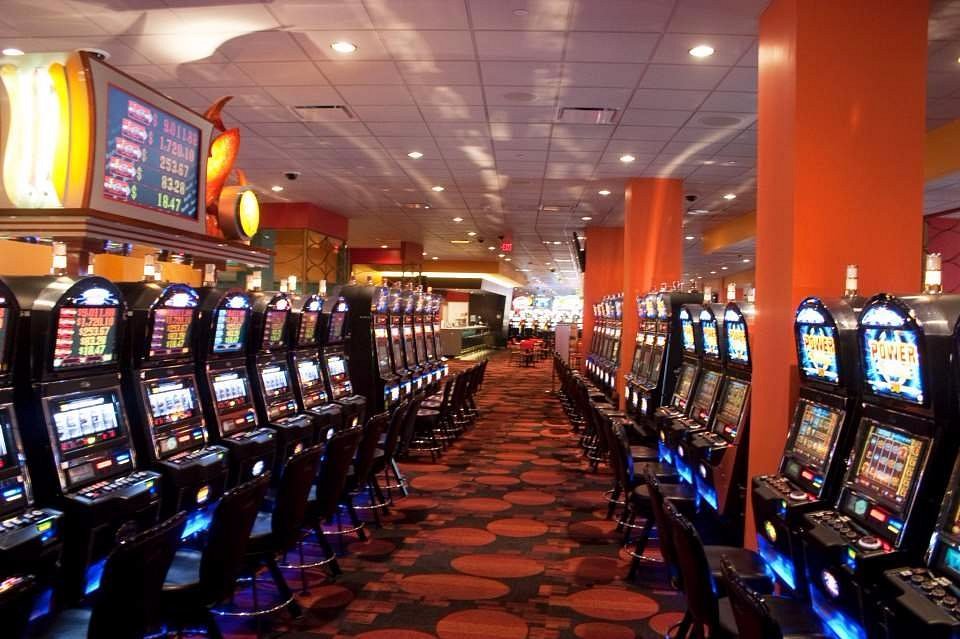
Moreover, the casino environment is meticulously designed to enhance this allure. From the dazzling lights to the captivating sounds, every aspect contributes to an immersive experience that heightens emotional stakes. This sensory stimulation can induce a state of flow, where gamblers become so engrossed in their play that they lose track of time and the actual amount of money they are wagering. This combination of risk, reward, and an engaging environment creates a uniquely compelling psychological experience that can be incredibly difficult to resist.
The Role of Social Interaction
Social psychology plays a significant role in casino gambling, as many players seek not only personal thrills but also communal experiences. The casino’s atmosphere encourages players to engage with one another, whether through group games or shared moments of excitement in high-stakes areas. The enjoyment derived from watching others play, exchanging tips, or celebrating wins together fosters a sense of belonging and camaraderie that enhances the overall experience. This social aspect can also serve to reinforce gambling behaviors, as players feel more validated in their decisions when they are part of a group.
Furthermore, social dynamics can lead to peer influence, where an individual’s betting behavior is swayed by those around them. This is especially evident in competitive scenarios, where players may try to outperform one another. Such interactions often result in escalating bets, further intensifying the thrill. The competitive spirit, coupled with social encouragement, can significantly escalate risk-taking behaviors, making the entire gambling experience even more exhilarating and difficult to resist. The presence of others can create a sense of urgency and excitement that amplifies the gambling experience.

The importance of social aspects extends beyond the physical casino setting. Online gambling platforms provide chat features and multiplayer options that facilitate community engagement among players. This digital camaraderie not only enhances the overall gambling experience but also makes players feel more connected despite physical distances. The ability to share experiences, strategies, and even wins with others online can encourage individuals to gamble more than they might in isolation, amplifying their psychological engagement with the games they play.
The Impact of Cognitive Biases
Cognitive biases significantly shape gambling behavior, often leading players to make irrational decisions that can have serious consequences. One common bias is the “illusion of control,” where gamblers mistakenly believe they can influence the outcome of games that are inherently random, such as slot machines or roulette. This perception can create a false sense of agency, compelling players to engage more deeply and frequently, even when the odds are not in their favor. This belief can lead to a cycle of increased gambling, as players continue to chase the feeling of control.
Another prevalent cognitive bias is the “availability heuristic.” This occurs when individuals overestimate the likelihood of certain outcomes based on recent experiences or media portrayals. For instance, witnessing a big winner in a commercial might lead gamblers to believe that winning is more accessible than it statistically is. Such skewed perceptions can encourage riskier betting behavior, often resulting in significant financial losses as they chase the elusive thrill of a win that is, in reality, highly improbable. These cognitive distortions can create a dangerous mindset that propels players to gamble more than they should.
Moreover, players often engage in selective memory, recalling only their wins while conveniently forgetting their losses. This selective retention creates an inflated sense of success, which can perpetuate gambling behavior that may not align with their financial realities. By understanding these cognitive biases, we gain critical insights into the psychology of gambling, revealing how distorted thought patterns can lead individuals to continue engaging in activities that might not serve their best interests. Recognizing these biases is essential for players to make more informed decisions about their gambling habits.
The Effects of Emotional States
Emotional states significantly influence gambling behavior since individuals often turn to gambling as an escape from negative emotions or to enhance positive feelings. For many, the thrill of gambling serves as a temporary distraction from everyday stressors or personal challenges. The casino environment can thus provide an appealing escape, allowing individuals to immerse themselves in the excitement and adrenaline of gaming while momentarily forgetting their problems. This emotional engagement creates a powerful draw to gambling as a coping mechanism.
Conversely, gambling can exacerbate negative emotions. Players who are already experiencing stress, anxiety, or depression may find themselves caught in a cycle where initial wins lead to increased gambling, followed by losses that deepen their emotional distress. This cycle of temporary relief, followed by increased dissatisfaction, can lead to problematic gambling behaviors. Recognizing the impact of emotional states on gambling decisions is crucial for understanding how individuals can become trapped in this detrimental cycle. The way emotions interplay with gambling choices highlights the need for emotional awareness in gambling contexts.
In addition, casinos often employ strategies to heighten emotional engagement. These may include offering complimentary drinks or creating celebratory atmospheres during events or tournaments. Such tactics serve to elevate the emotional stakes, transforming gambling from a mere game of chance into an emotionally charged experience. Understanding the interplay between gambling and emotional states is vital for addressing responsible gaming and offering support to those who may be struggling with their gambling behaviors. The heightened emotional environment can lead to increased spending and impulsive decisions.
Understanding Responsible Gambling
Given the complex psychology behind casino gambling, promoting responsible gambling practices is essential. Casinos and gaming organizations are increasingly focusing on educating players about the inherent risks associated with gambling and the importance of setting limits. Providing resources for self-exclusion, budget management, and recognizing signs of problematic behaviors can help mitigate the adverse effects of gambling. By fostering an informed player base, the gaming industry can contribute to healthier gambling habits. Awareness campaigns can play a crucial role in reaching individuals who may not recognize the signs of problematic gambling.
Additionally, the implementation of psychological support and counseling options has become crucial. Gambling addiction can lead to severe consequences, including financial ruin and personal distress. Offering educational programs and access to mental health resources creates a culture of awareness around gambling behaviors. By addressing the psychological aspects of gambling, organizations can promote responsible gaming practices while also providing support to those who may be struggling with their gambling behaviors. Collaborative efforts between casinos and mental health professionals can enhance the effectiveness of these initiatives.
Ultimately, understanding the psychology behind casino gambling can lead to more effective strategies for harm reduction and responsible play. By recognizing the emotional, social, and cognitive influences at play, stakeholders can develop comprehensive initiatives to foster healthier gambling habits. Creating a safer gaming environment not only benefits individual players but also supports the integrity of the gaming industry as a whole. This holistic approach can contribute to a healthier relationship between individuals and gambling, ensuring that the excitement of gaming does not come at the cost of personal well-being.